Interior Design Styles Explained: How to Choose the Perfect Look for Your Home
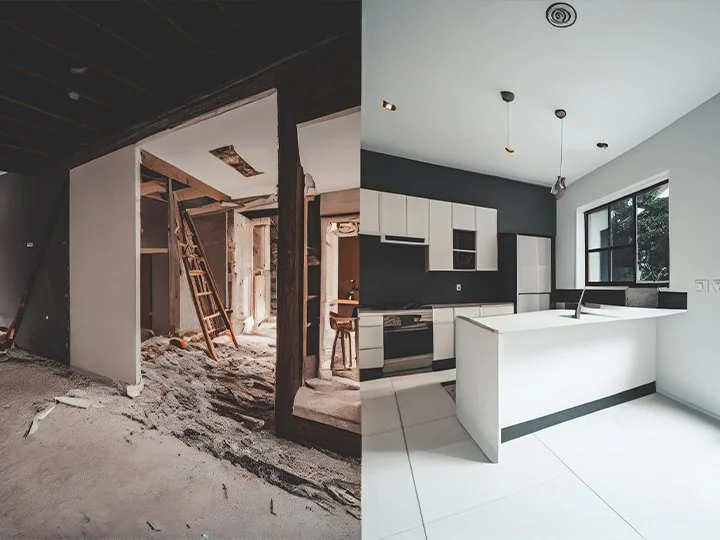
Interior design styles are what dictate the aesthetics of a place based on factors such as color, materials, spatial planning, and decoration.
Selecting the right interior design style will help you create an environment that complements your personality while adding functionality and comfort.
Knowing the fundamentals of interior design will ensure that the interior design is cohesive and functional.
Expert knowledge and good planning will simplify the process of creating an environment that meets your expectations and avoids errors.
Different interior design styles are individual approaches used in the decoration of the house with the unique use of color combinations, decorations, furniture layout, among others. There are many different interior designs, from modern to bohemian, and all have an impact on your house's ambiance. It will be much better to know what type of style to apply since it plays a critical role when considering the overall appearance of your house.
Selecting the appropriate design style for your house is one of the main challenges during home interior design due to the significant role it plays in the appearance of your home. With this approach, you can ensure that your home is visually appealing in addition to providing a functional aspect. Despite being challenging, interior design professionals make this step easy through a mixture of creativity and application of interior design concepts to achieve the desired outcome.
Interior Design Basics You Need Before Choosing a Style
Before considering various interior design styles, one needs to know about the basic elements that can lead to effective interior design of any space. Interior designing does not simply refer to appearance, it involves balancing aesthetics, comfort, and functionality. Understanding these fundamentals will enable you to choose a design style that suits you and your household
Elements That Define an Interior Design Style: Colors, materials, layout, lighting, and textures define an interior design style. These aspects interact in a manner that contributes to making up the look, feel, and character of a room.
Principles of Interior Design: Important interior design principles include balance, harmony, contrast, and proportion. These principles guide the design process to ensure harmony in designing spaces.
Functionality of Interior Designing: Interior design should always be functional, allowing one to utilize his or her space comfortably and efficiently.
Common Mistakes to Avoid
Choosing a style without considering your space
Overcrowding with furniture or décor
Ignoring lighting and layout
Mixing styles without a clear plan
Understanding these basics makes it easier to select and implement the right interior design style.
Most Popular Interior Design Styles (With Practical Insights)
Selecting interior design styles may appear like an intimidating task, yet knowing the most commonly used interior design styles simplifies the entire process. All interior design styles possess their own unique features, ranging from functionality to aesthetics, which can be integrated into a room depending on one’s preferences. The following list highlights the most common interior design styles that can assist homeowners in making informed decisions regarding the décor of their living spaces.
1. Modern Interior Design:
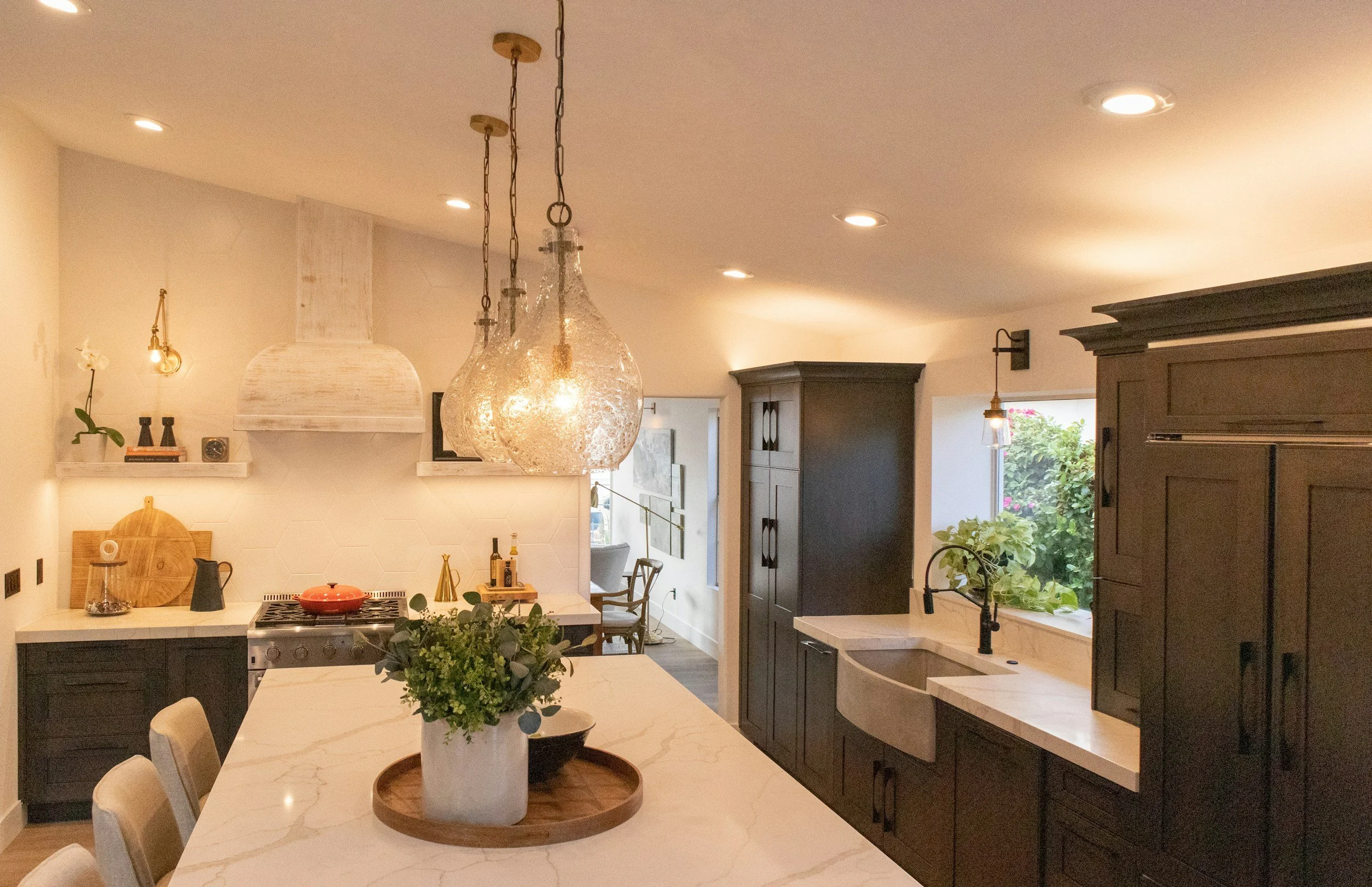
Modern interior design focuses on simplicity, clean lines, and a clutter-free environment. It emphasizes functionality while using materials like glass, metal, and wood to create a sleek and sophisticated look. The color palette is usually neutral, with occasional bold accents to add character without overwhelming the space.
Keep décor minimal and intentional
Use furniture with clean, straight lines
Add one or two statement pieces for visual interestWhat Does Remodeling Mean?
2. Contemporary Style:
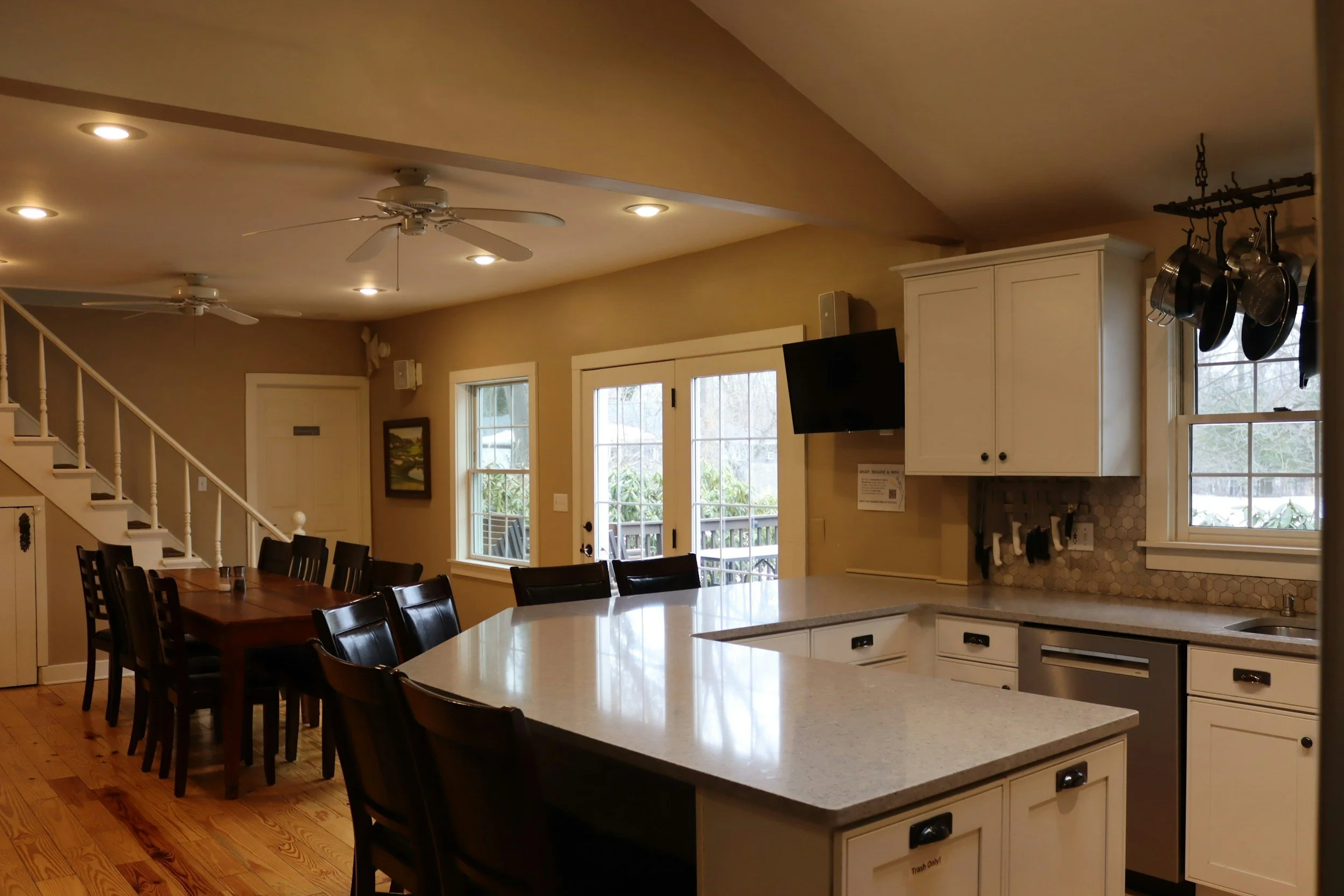
Contemporary style reflects current design trends and evolves. It combines simplicity with subtle sophistication, often featuring open layouts, neutral tones, and a mix of textures. This style allows flexibility, making it ideal for homeowners who like to refresh their interiors regularly.
Focus on open and airy layouts
Mix materials like glass, metal, and wood
Update décor elements periodically to stay current
3. Minimalist Design:

Minimalist design is built on the idea of less is more. It strips away unnecessary elements and focuses only on essentials, creating a clean and calming environment. The spaces are uncluttered, functional, and visually balanced, often using a monochromatic color scheme.
Choose multifunctional furniture
Avoid excess decoration
Maintain a clean and organized layout
4. Scandinavian Style:
Scandinavian design combines simplicity, functionality, and warmth. It uses light colors, natural materials, and soft textures to create bright and cozy interiors. This style is especially popular in smaller homes because it maximizes light and space effectively.
Use light woods and neutral tones
Add soft textiles for comfort
Maximize natural light wherever possible
5. Industrial Interior Design:
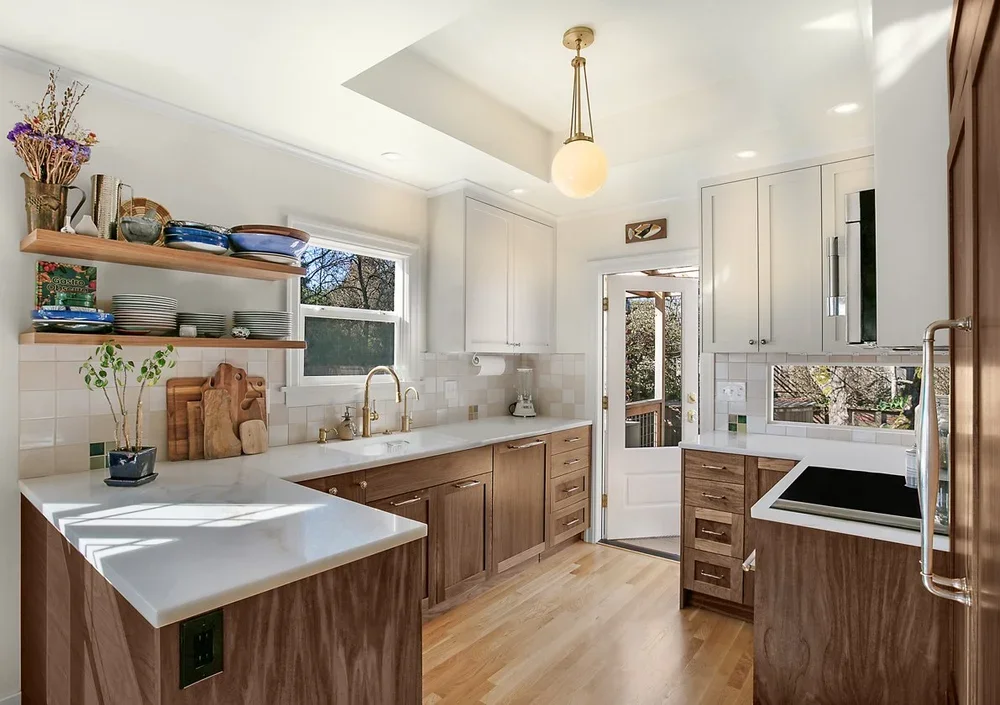
Industrial interior design is inspired by old factories and warehouses, featuring raw and unfinished elements like exposed brick, metal, and concrete. It creates a bold and edgy look while maintaining a functional layout.
Highlight structural elements like pipes and beams
Use a mix of metal and wood furniture
Balance raw materials with soft furnishings
Traditional Style:
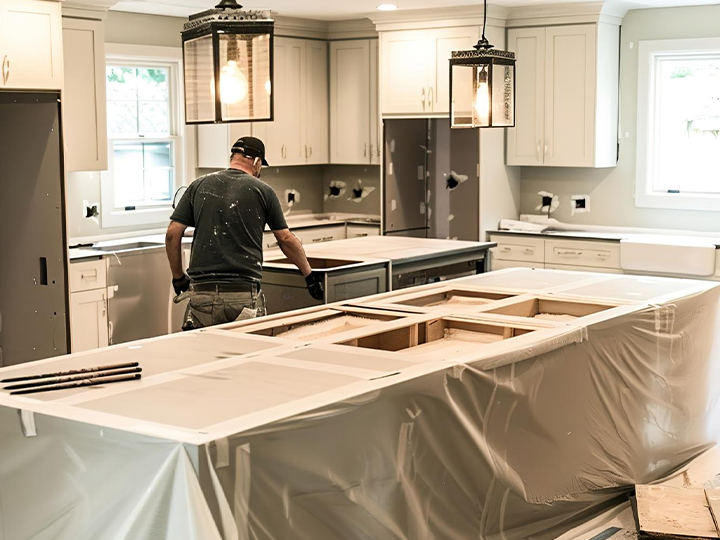
Traditional interior design is rooted in classic European influences, focusing on elegance, symmetry, and rich detailing. It uses warm colors, ornate furniture, and layered décor to create a timeless and sophisticated look.
Use symmetrical layouts
Incorporate classic furniture and décor
Focus on quality materials and craftsmanship
7. Bohemian (Boho) Style:
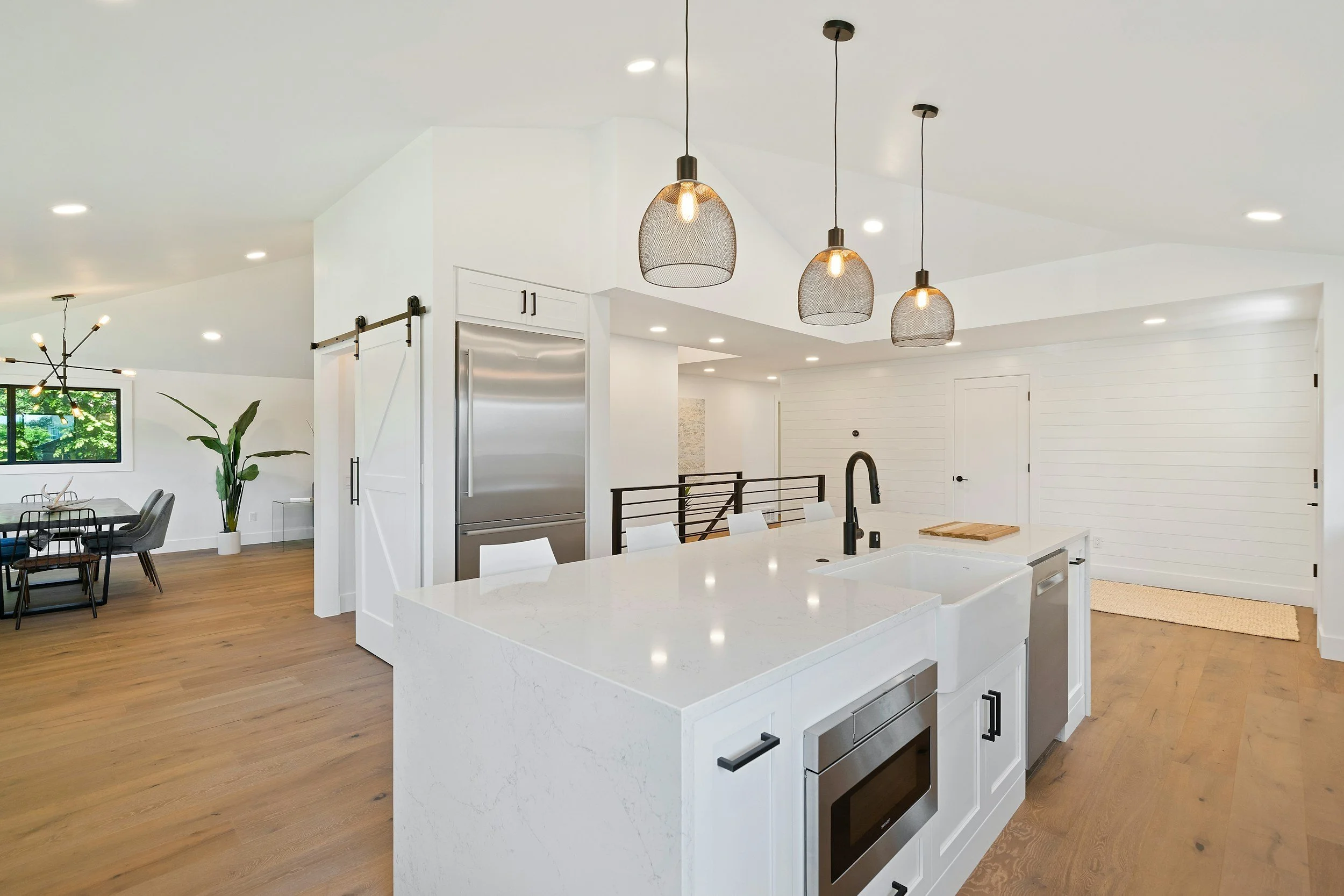
Bohemian style is free-spirited and eclectic, combining colors, patterns, and textures from different cultures. It creates a relaxed and artistic environment that reflects individuality and creativity.
Mix patterns and textures confidently
Add plants and handmade décor
Keep the look curated, not cluttered
8. Transitional Style:

Transitional style blends traditional and modern elements to create a balanced and versatile look. It combines the warmth of classic design with the simplicity of contemporary styles, making it suitable for a wide range of homes.
Stick to a neutral color palette
Mix classic and modern furniture
Maintain balance and consistency throughout the space
How to Choose the Right Interior Design Style for Your Home
Choosing the right interior design style depends on how you live, the space you have, and your budget. A well-suited style should not only look good but also support your daily routine and make your home more functional and comfortable.
1. Based on Your Lifestyle
Your lifestyle plays a key role in selecting a style. Busy households benefit from low-maintenance designs, while families may need practical layouts with ample storage. If you prefer calm and simplicity, minimalist or modern styles work well.
2. Based on Space and Layout
The size and layout of your home influence your style choice. Smaller spaces work best with minimalist or Scandinavian styles that maximize light and openness, while larger homes can accommodate traditional or industrial styles with more detailing.
3. Based on the Budget
Your budget determines the materials, furniture, and level of customization. Minimalist and contemporary styles are often more cost-effective, while traditional or luxury styles may require a higher investment due to detailing and premium finishes.
4. Style Blending: Can You Mix Styles?
Yes, mixing styles is possible when done thoughtfully. It allows you to create a unique look that reflects your personality while maintaining balance and harmony.
Safe Combinations:
Modern and Scandinavian
Traditional and contemporary
Industrial and rustic
Designer-Approved Tips:
Stick to a consistent color palette.
Choose one dominant style.
Balance textures and materials carefully.
Avoid overcrowding the space.
Interior Design Methods to Bring Your Style to Life
Designing a proper home design not only involves selecting the design, but also executing it. In this case, by incorporating interior design techniques such as space planning, color selection, material and lighting choices, it becomes possible to transform your designs into an effective interior design.
Space Planning Techniques: Proper space planning will make sure that your home looks comfortable and practical. This involves effective arrangement of your furniture and ensuring there is no clutter.
Color Selection Methods: Colors provide your space with its general mood. A uniform theme will ensure that there is consistency throughout.
Choice of Furniture and Materials: Choice of furniture and material is what will put your design concept into reality. It is important to choose furniture that fits your personal taste yet is comfortable and durable.
Lighting Concepts: Lighting can make your room more functional as well as appealing. The combination of natural and artificial lighting can emphasize different areas of your home.
Real-Life Home Interior Design Examples
Budgeting Your Interior Design Project
The process of budgeting is the most crucial part in home interior design as it creates realistic expectations and prevents any overspending. Well-planned budgeting makes sure that your home interior designs do not go overboard and remain feasible within your financial capabilities. It is best to plan out budgets at an early stage since it will help with better planning and execution of the design concepts.
What is an Interior Design Budget?
An interior design budget is a detailed estimate of all the costs involved in designing and completing a space. It includes everything from materials and furniture to labor, design fees, and additional expenses required to bring the project to life.
a. Important Things to Include in Your Budget
Construction and renovation costs
Furniture, fixtures, and equipment
Design and consultation fees
Delivery, installation, and labor charges
Taxes and administrative costs
Moving, storage, and handling expenses
b. Why Should You Talk About the Budget Early?
When you talk about the budget early, it helps to avoid overspending and any delay. In addition, when you have early discussions about the budget, it becomes easy for the designer to select appropriate material and saves you from spending money on impractical ideas.
c. Tips to Set a Realistic Budget
Study similar projects to estimate how much money it requires
Write down all your wish list and prioritize what is important
Allocate funds depending upon the importance of each room
Use some budgeting software to keep track
d. Contingency Planning
It is always recommended that you should have between 10% to 20% of your budget set aside
It will help you avoid getting into stress during project execution
With an organized budget, you can ensure a better interior designing experience for yourself.
Why Professional Interior Design Matters?
Interior design done professionally is not only about looks; it also improves functionality. Properly designed interiors utilize all available space and provide an optimal layout, making it easier to store items and maximize space for other activities. Moreover, professional designers pay attention to details such as the choice of color palette, materials, and lighting, which contributes to a more harmonious interior that corresponds to your preferences and needs.
By working with professionals, one saves time and money. Not only does it facilitate the selection and purchase of appropriate materials, but it also optimizes supplier coordination and execution, ensuring that everything is completed in the most efficient way possible. Additionally, an excellent interior design will increase the value of your house, adding aesthetic and functional qualities that will attract future buyers.
Conclusion
Selecting the appropriate interior design style is critical to designing an attractive and functional living environment. With basic knowledge of design elements, an exploration of various interior design styles, and application of the proper techniques, one can effectively design his or her house to reflect personal taste. Everything from layout selection to color coordination and material selection must be considered to ensure that the desired effect is attained. Partnering with experts like Spacecraft Homes ensures a seamless process, helping you bring your vision to life with precision, creativity, and long-lasting value.
FAQs
-
Modern and contemporary interior design styles are the most popular due to their clean lines, functionality, and versatility. They suit a wide range of homes and lifestyles, offering a balanced mix of aesthetics and practicality that appeals to homeowners today.
-
Start by exploring inspiration from magazines, websites, and social media. Identify colors, furniture, and layouts you are naturally drawn to. Consider your lifestyle and space needs, then narrow down a style that reflects your personality and daily habits.
-
Yes, you can mix different interior design styles, but it should be done thoughtfully. Maintain a consistent color palette and choose one dominant style while blending elements from others. This helps create a balanced and cohesive look without making the space feel cluttered.
-
The basics of interior design include balance, harmony, scale, and functionality. Focus on proper furniture placement, a cohesive color scheme, and good lighting. Always prioritize comfort and usability while ensuring the design feels visually balanced and well-coordinated.
-
The cost of home interior design varies depending on the size, style, materials, and level of customization. Basic projects may be more affordable, while high-end designs require a larger budget. Hiring professionals can increase upfront costs but ensures better long-term value.
-
Minimalist and Scandinavian styles work best for small homes as they focus on simplicity, light colors, and efficient use of space. These styles reduce clutter, maximize natural light, and create an open, airy feel that makes compact spaces appear larger.
-
You can handle small projects yourself, but for larger or more complex designs, hiring a professional is beneficial. Interior designers bring expertise, save time, and help avoid costly mistakes, ensuring a well-planned and polished final result.