
Key Summary
Having a proper timeline for a renovation will allow you to stay focused, budget better, and avoid any unwanted complications throughout your renovation.
Dividing your project into stages such as planning, designing, obtaining permits, constructing, and finishing will make your renovation easier to manage.
Each timeline differs depending on the project you have in mind, whether it is a whole house renovation that may take months or a simpler one that only requires a couple of weeks.
Collaborating with skilled professionals and making decisions early in the process will help fast-track your renovation.Different interior design styles are individual approaches used in the decoration of the house with the unique use of color combinations, decorations, furniture layout, among others. There are many different interior designs, from modern to bohemian, and all have an impact on your house's ambiance. It will be much better to know what type of style to apply since it plays a critical role when considering the overall appearance of your house.
Home renovation planning is very thrilling; however, without a time frame, the whole process can turn out to be stressful. Knowing how to set up the time frame for a home renovation will help you organize the whole renovation process and make sure everything goes smoothly.
A properly laid-out home renovation time frame makes sure that each stage of your project, whether the designing process or moving back into your home, runs smoothly. Nonetheless, there may be a number of things that determine the time frame of a particular renovation such as the size of the project, its level of complexity, etc.
What Is a Home Renovation Timeline?
Home renovations have a renovation schedule, which is an organized schedule that details each process involved in the entire project, from planning through building to the handing over of the completed project.
The home renovation schedule clearly spells out what goes on during each step, the period required for each step to be complete, and generally what to expect in the entire process. Generally, major house renovation projects may last for a period between a few months to a year, among others.
How to Plan a Home Renovation Timeline (Step-by-Step)
Creating a timeline for your remodeling work is all about dividing the whole process into clear steps. Each and every one of them is necessary to ensure a smooth process throughout the entire project. Take a look below at how this can be done efficiently.
Pre-Design and Scope Locking (2 - 4 Weeks): Your first step will be to make a list of everything that is essential for you, take all necessary measurements and even prepare an approximate budget. This will be when you will determine the scope of your remodeling work.
Design & Pricing (3 - 6 Weeks): Now comes the time when you will get down to making drawings, choosing materials and getting at least two estimates for your project. Make sure to have your budget and schedule broken down so clearly.
Permit and Approvals (2 – 10 weeks or more): The time taken for permit processing will depend on the site location and the nature of the renovation project. Inspections at different stages might be required for some renovations. Filing proper documentation helps save from delay or rejection.
Order Long Lead Items (Following Permits): Once permits are filed, start placing orders for those items that take longer to reach you. These include cabinets, windows, doors, appliances, and special tiles. By ordering in advance, they will be available during the construction phase.
Site Preparation and Demolition (1 – 2 weeks): Site preparation should include protection of adjacent sites and installing dust-control equipment. In case of renovation of important rooms such as the kitchen, temporary facilities have to be arranged.
Rough In Work (2-4 weeks): This phase involves structure framing, plumbing, electrical and HVAC installation. It is essential to schedule the inspections to avoid unnecessary delays.
Close Up and Finishes (3-8 weeks): After all major works are complete, the work will focus on finishings such as dry walling, floorings, cabinetry, tiling, painting, and fixture installation. Planning this phase properly is necessary to prevent unnecessary rework and delays.
Final Inspection and Punch List (1-3 weeks): In the final phase, do a complete walkthrough to determine the unfinished or wrongly done works. Prepare a list for the unfinished work. Retain some money until all issues are sorted out.
Using this systematic approach, you would find it easier to plan the renovation timeline and have smooth progress throughout the process.
Typical Home Renovation Timeline Breakdown
Having an idea about a standard timeline will help you have a realistic expectation about the duration of your project.
Planning Stage: At this stage, everything gets started. Right after you make the decision to renovate, your first step would be analyzing your present space and identifying what exactly you want out of it. It can include measuring the space, assessing the current situation, and finding out your preferences, needs, and other considerations.
This will give you some clues regarding the initial concept. This process requires great communication and collaboration, and there might be several iterations of it.
How much time can it take: A home renovation planning process might take between 3 to 6 months in total, while remodeling of a kitchen can take only 1 to 2 months.
Material Procurement Stage: After completing your designs, the following step is to source for your materials, fixtures, and finishes. These can be cabinets, tiles, lighting, and even furniture pieces.
Getting your materials early enough will save time lost as a result of material unavailability. Coordination here becomes very crucial since it will help in ensuring that all is in place once your project kicks off.
Time it takes: Material procurement usually takes 1 to 4 months depending on whether or not your materials will need customization. Your custom cabinets and other materials can take up to 6-12 weeks to get.
Construction Stage: This is the implementation stage where your renovation comes to life. This stage involves demolition, structural work, plumbing, installation of your electric wiring, and finishing activities.
The importance of clear communication here between the customer, architect, and builder becomes very crucial since you will be faced with unexpected challenges that require extra effort and patience.
Time it can take: While a simple project such as a bathroom renovation may take a month to complete, large projects can span a couple of months.
Installation Phase: The final stage focuses on installing furniture, fixtures, and finishing touches that complete the space. This is when your home truly comes together and reflects the original vision.
This phase is often quick but requires careful coordination to ensure everything is placed perfectly.
How long it can take: A small installation can be completed in a single day, while a full home setup may take 2 to 5 days with a dedicated team.
How Long Does It Take to Remodel a House?
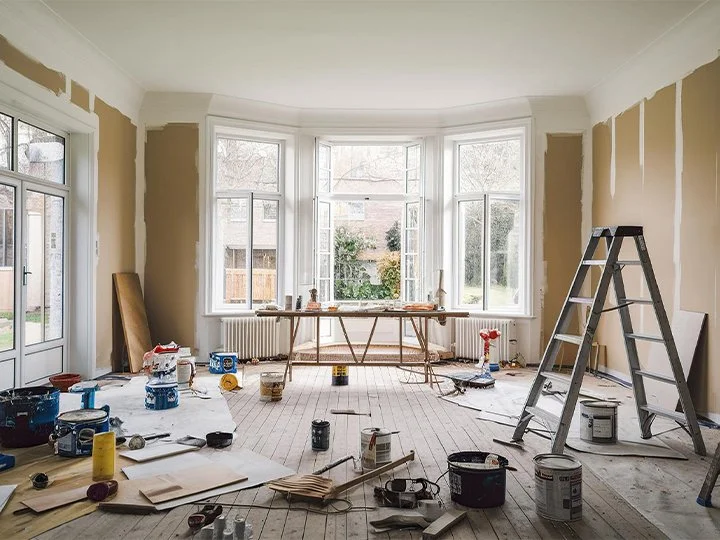
So, how long does a home renovation take? Typically, remodeling an entire house will take somewhere between 16 to 24 weeks, which is roughly equivalent to 4 to 6 months. Depending on the nature and extent of the project and the complexity of customizations involved, remodeling a house can potentially take more than the aforementioned time.
There are various factors to consider here, ranging from the design of the house, to whether you have available contractors, permits, and other factors that can cause the whole process to go off track. Unforeseen events and challenges will always happen, which is precisely why there should be buffer time in every remodeling project.
As such, it is essential to think ahead in terms of planning and making your decisions early enough to avoid any issues down the line.
Timeline by Project Type (HIGH VALUE SECTION)
The timeline of a renovation largely depends on the type of project you are undertaking. Smaller upgrades typically take less time, while larger renovations involving multiple rooms or structural changes can extend over several months. Understanding these timelines helps set realistic expectations and plan better.
| Remodeling Project | Average Timeline |
|---|---|
| Bathroom Remodel | 3 to 12 weeks |
| Kitchen Remodel | 6 to 16 weeks |
| Basement Renovation | 4 to 8 weeks |
| Home Addition | 4 to 9 months |
| Whole Home Remodel | 3 to 12 months |
Bathroom Remodel Time Frame: Bathroom remodeling is normally faster than other types of remodeling owing to the reduced scope of work. Simple projects which involve changing fixtures, re-painting and flooring might take 3 – 4 weeks to be completed. More elaborate bathroom remodeling tasks might take up to 6 – 12 weeks depending on complexity.
Kitchen Remodel Time Frame: Kitchen remodeling projects take a longer time compared to other kinds of home renovations as many components come into play. Relatively simple kitchen remodeling projects such as installing cabinets, changing countertops, installing new appliances might take 6 – 8 weeks to be finished. Complex projects which incorporate remodeling electrical work, plumbing, floors among others may take 10 – 16 weeks.
Basement Remodeling Time Frame: Basement remodeling normally takes 4 – 8 weeks to complete. A simple job which involves basic finishes such as drywall installation, flooring and lighting fixtures might be completed in about 4 – 5 weeks. Complicated projects which entail bathroom installations, room additions or even creating a home theater might take between 6 – 8 weeks.
Home Addition Timeline: Home additions require more time as they involve building new structures. The process includes planning, permits, foundation work, construction, and finishing. On average, a home addition timeline ranges from 4 to 9 months depending on size, design, and approvals.
Full Home Renovation Timeline: A full home renovation is the most time intensive type of project. Smaller scale updates across the home may take 3 to 6 months, while large scale remodels involving layout changes, plumbing, and electrical upgrades can take 6 to 12 months or longer.
Each project type comes with its own challenges and requirements. Knowing these timelines helps you better understand how long it takes to remodel a house and allows you to plan your renovation journey with greater confidence.
What Can Delay a Home Renovation?
Even with good planning, there are many things that could make a renovation project drag out for longer than expected. If you understand what some of the typical problems are, you will be able to prepare accordingly.
Lack of Renovation Planning: The main reason why most renovation projects take longer than initially estimated is due to lack of proper planning. This means that it becomes difficult to prioritize certain aspects and makes it even more challenging to come up with a final design. You should be able to plan everything ahead of time.
Trying to Do Everything Yourself: Although you might want to save money by doing things yourself, it will not always work out. Some of the things that could be a problem include plumbing, electricity, or any other task that requires specific knowledge.
Running Out of Money Quickly: Spending all of your money right at the beginning of the renovation process could put you in a bad situation later on. It could become necessary for you to stop halfway and resume once you have more funds.
Delayed Arrival of Materials: Late delivery of customized materials like cabinets, fixtures, or tiles can impede construction efforts. It is wise to order crucial materials ahead of time and coordinate with manufacturers to avoid any delays.
Availability of Contractors and Coordination Problems: Contractors typically have busy calendars, and any failure in coordination might cause delays. It is best to confirm deadlines ahead of time and communicate effectively to prevent scheduling problems.
Permits and Local Requirements: Failure to secure necessary permits or passing inspections can halt construction altogether. Since requirements differ from location to location, obtaining necessary documents and certifications is a must.
Scope Changes During Construction: Any addition to an existing scope during the middle of the project will cause further delays. Any change in scope necessitates a change in design, material sourcing, and scheduling.
Weather Conditions: Weather can impact outdoor work such as roofing or exterior painting. Unexpected conditions may push timelines further, especially for projects involving structural or site work.
Poor Sequencing of Work: Incorrect scheduling of tasks, such as doing finishes before essential installations, can lead to rework and inefficiencies. Proper coordination of trades ensures a smooth and logical workflow.
Understanding these common causes of delays allows you to plan ahead, minimize risks, and keep your renovation timeline on track.
How to Speed Up Your Renovation Timeline
It is common for any home improvement projects to run longer than planned; however, there are a number of things that can be done to reduce the time taken. Proper planning, professional advice, and fast decision-making skills can help increase the speed of the process.
Using design build firms during renovations is another surefire way to ensure increased efficiency in the whole process. This is because everything from the design to the construction phase will be handled by the same team, hence eliminating any form of miscommunication between different groups.
Expert Tips from Space Craft Homes (CONVERSION SECTION)
A successful renovation starts with clear planning and realistic expectations. One of the most common mistakes homeowners make is beginning work without finalizing designs, materials, and budgets, which often leads to delays and added costs. Defining your scope early and sticking to it helps keep the project on track. It is also important to ensure proper coordination between different stages of work, as poor sequencing and communication can result in rework and extended timelines.
Professional guidance can make a significant difference throughout the renovation process. From managing permits and selecting materials to coordinating contractors, experienced experts help you avoid costly errors and streamline execution. If you are unsure about your timeline or next steps, reaching out for expert advice early can provide clarity and make your renovation journey smoother and more efficient.
Conclusion
Planning a renovation timeline is essential for a smooth and stress free experience, helping you stay on schedule, manage costs, and avoid unnecessary delays. From defining your scope to coordinating construction and final finishes, every step plays a role in the success of your project. With the right planning and expert guidance, you can turn your vision into reality efficiently and confidently. If you are looking to start your renovation journey, Space Craft Homes can help you plan, design, and execute your project with clarity and precision, ensuring a seamless transition from concept to move in.
FAQs
-
A home renovation typically takes between 3 to 9 months, depending on the size, complexity, and scope of work. Smaller projects finish faster, while larger renovations involving structural changes or multiple rooms may take longer to complete.
-
Remodeling a house usually takes around 4 to 6 months for a full renovation. However, complex or large scale remodels can extend to 9 to 12 months, especially when structural changes, custom designs, or permit approvals are involved.
-
The average duration of a home renovation ranges from 4 to 8 months. Timelines depend on factors like design complexity, material availability, contractor schedules, and unforeseen issues that may arise during construction or demolition stages.
-
Home additions generally take about 4 to 9 months to complete. This includes planning, permits, foundation work, construction, and finishing. Larger or more customized additions may take longer due to structural work and approval processes.
-
Plan your renovation timeline by defining scope early, finalizing designs, setting a realistic budget, ordering materials in advance, and hiring experienced professionals. Clear communication and avoiding mid project changes help keep your renovation on schedule.
-
The biggest delays in home renovations come from unclear planning, permit issues, material shortages, contractor scheduling conflicts, and design changes during construction. Unexpected structural problems and weather conditions can also significantly impact the project timeline.