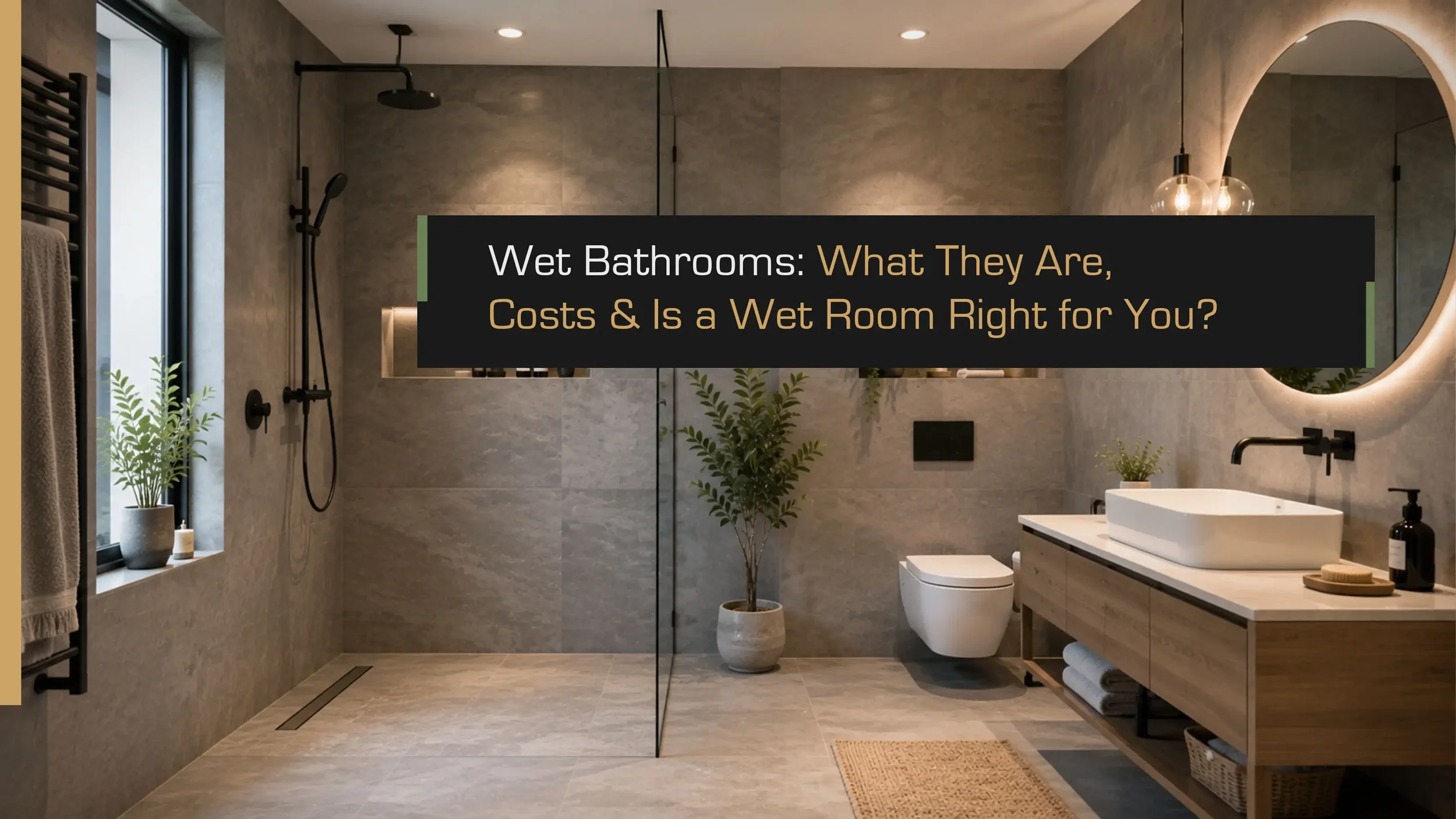
A wet bathroom has become popular now because it looks clean and open and curbless; also, it feels like a spa. If you have been looking at ideas for renovating, you have probably seen these bathrooms in fancy hotels, on Pinterest, and in modern houses.
So you are wondering if wet bathrooms are just about how they look or if they have practical advantages too?
Before you decide on a bathroom to wet room conversion, you need to know how it works. You should also know the costs involved, advantages, and disadvantages or whether it suits your lifestyle.
What Is a Wet Bathroom?
A wet bathroom is fully or partially waterproof; Most wet bathrooms have a shower without a curb or enclosure, and water can just drain through the floor. In a bathroom, the entire floor and parts of the walls are waterproof so that it can handle water without causing any problems.
What Is a Wet Bathroom and How It Differs from a Normal One
Wet bathroom, which is also called a wet room, where water can reach anywhere on the floor without damaging the subfloor or wall framing. The water does not have to stay inside a shower tray or shower enclosure; instead, the floor is made to slope a bit towards a drain. The way a wet bathroom is waterproofed sets a bathroom apart from a regular bathroom.
In a standard bathroom the shower area is the only part that is made to be waterproof. The other parts of the bathroom, like the area where the sink and the toilet are, are usually considered dry areas. The water is supposed to stay inside the shower enclosure.
A wet bathroom is different because the waterproofing goes across the floor and goes several feet up the walls; this makes one waterproof surface that keeps the structure underneath safe.
A curbless shower only waterproofs the area where you take a shower, whereas a true wet bathroom waterproofs the whole room.
Note: The terms "wet bathroom" and "wet room" are the same thing. Both describe a bathroom that's open and waterproof and where the floor is the shower base.
Full vs. Partial Wet Rooms
Not every wet bathroom is designed the same way; most people choose between two types: a wet room and a partial wet room. The choice depends on their budget, lifestyle, and preferences.
Full Wet Room
In a wet room the whole bathroom is a wet area; the entire floor is waterproof so water can flow freely to the drain. There are no shower curbs or separate shower areas. This makes the bathroom look big and open.
Partial (Hybrid) Wet Room
A partial wet room with a shower has a glass panel that separates the shower area and still uses waterproof flooring. This means the vanity and toilet stay outside the area where water splashes around and stay drier when you use them every day. This type of room is a combination of a modern wet room and a traditional bathroom. If you like soaking tubs, consider wet rooms with baths, where a freestanding bathtub sits inside the area with the shower. This creates a nice and relaxing space that feels like a spa.
Benefits and Drawbacks of Wet Bathrooms
A wet bathroom is like a remodeling project; it has both advantages and disadvantages.
| Benefits | Drawbacks |
|---|---|
| Having a bathroom with no curb to step over is really great for accessibility. This is perfect for people who want to stay in their homes as they get older, people who use wheelchairs, and anyone who has trouble moving around. | A higher cost for more waterproofing labor is required than a standard bathroom. |
| The open layout removes things that block your view; this makes the bathroom look brighter and more spacious. | Wet floors can be slippery; slip-resistant tile is essential. |
| The bathroom is really easy to clean, with fewer corners and shower doors, and requires very little maintenance. | Less privacy can be a problem in shared bathrooms. |
| The spa-like appearance is nice. It has a design that makes it look clean and fancy. | If the floor is not sloped correctly, water will collect in one place instead of draining. |
| Designed wet bathrooms are really attractive features that many home buyers appreciate. | Cabinets, towels, and bathroom accessories need to be made from materials that can handle all the moisture from the humid environment. |
What a Wet Bathroom Costs (and the Waterproofing It Demands)
A wet room costs more than a bathroom because you are paying for entire waterproofing rather than outer superficial finishes. The tile and the fixtures and the lighting are important for the budget of the wet bathroom, but the most important thing you are investing in is the work that is hidden beneath the surface of the wet bathroom.
It costs about $10,000 to $25,000, depending on how big the bathroom is and what kind of plumbing is already there, whereas it is also influenced by the material choice, labor rate, and the required structural changes. Requesting itemized quotes from contractors makes it easier to understand where your budget is being spent on a wet room conversion.
The biggest costs usually are the following:
• A waterproof layer that covers the entire floor, also known as tanking
• A floor that is sloped correctly to make water flow, towards the drain
• A floor drain that can handle a lot of water or a long drain
• Preparing the walls to resist moisture
• In a lot of places building codes require mechanical ventilation, like an exhaust fan, to help get rid of extra moisture and stop mold from growing
Remember that tile and grout can resist water; they are not completely waterproof. The waterproof membrane installed under the tile is what keeps moisture from getting to the subfloor and wall framing. If this layer fails, water damage can be costly to fix.
A wet bathroom should always be installed by a contractor who has experience and a license. Waterproofing mistakes are often hidden until serious damage from moisture shows up months or years later.
Industry organizations such as the Tile Council of North America (TCNA) emphasize the importance of a waterproofing system under your tiles; the tile itself is not what makes these areas work.
Wet Bathroom Design Ideas
One big reason people choose a wet bathroom is that it looks clean and seamless. Here are some ideas that create a modern spa-inspired look:
Install a Linear Drain
A drain along one wall lets the floor slope in one direction;this way, the floor slopes toward the drain.
Add Floating Fixtures
Wall-mounted vanities and toilets make the room look bigger. They do this by exposing more floor space, which also makes cleaning easier.
Create Wet Rooms with Baths
You can make your bathroom look like a hotel room by putting a big tub in the middle of the waterproof area, letting you use the shower and bathtub together, sharing the same drain.
Comfort Upgrades Worth Adding
Having a built-in shower niche for storing your shower stuff
Putting in underfloor heating so the tile stays warm and dries faster
Using warm neutral tiles to make the bathroom feel cozy
Adding lighting around mirrors, showers, and accent areas.
Should You Convert Your Bathroom to a Wet Room?
A bathroom to wet room conversion can be an investment for your house when it fits your needs.
Want a bathroom that is easy to get around in as you get older
Need a bathroom that is easy to use with a wheelchair
Have a small bathroom that needs to feel more open
Like the look of bathrooms that feel like a spa.
If you are okay with the whole floor getting wet sometimes.
However, you might want to think about if
You like keeping the vanity and storage totally dry
You do not have a lot of money to spend on remodeling
Your family bathroom is always busy, with many people using it every day.
You are fixing up a bathroom upstairs; if something goes wrong with the waterproofing, it could cause a lot of damage to the rooms below it.
If you are not sure, a curbless shower can be a good middle ground solution. It gives you access to the shower, and it looks modern.
Before you decide, you should get a professional contractor who has a lot of experience with remodeling to check your home's structure, plumbing, and layout. This will help you figure out if a wet room is practical for your space.
Conclusion
A wet bathroom combines modern design with practical functionality. It does require an upfront investment and professional waterproofing, but the end result is a beautiful and durable bathroom that will last for years. Before converting a bathroom to a wet room, talk to a remodeling expert and let them check your space and make sure the waterproofing is done correctly from the beginning.
Frequently Asked Questions
-
For many homeowners, yes. It depends on Your budget, lifestyle and remodeling goals
-
Not really. A good design sends water to the shower drain. Some water splashing around is normal; wet rooms with glass panels help keep the sink and toilet dry and still look open, like a room.
-
Yes, wet rooms with baths are really popular in homes now. You can put a freestanding tub in the same room as the shower. This makes the room feel like a spa; the tub and shower can use the system to drain water and keep the room dry.